
The kitchen cabinets you pick out can’t help but make a style statement. Your cabinets will take up the most square footage in your new kitchen. You can spring for a magazine-cover-worthy range or shell out for showstopping marble countertops, but beautiful cabinetry is the frame that makes them shine. And their color is only the tip of the iceberg when it comes to all your options. Behind the doors (which, if you choose to have them, come in an array of designs), there’s a world of smart storage possibilities to help your kitchen run more smoothly. From materials and door designs to must-have features, read on for an overview of all the possibilities, and learn which are best for you.
Custom Cabinets vs Stock Cabinets
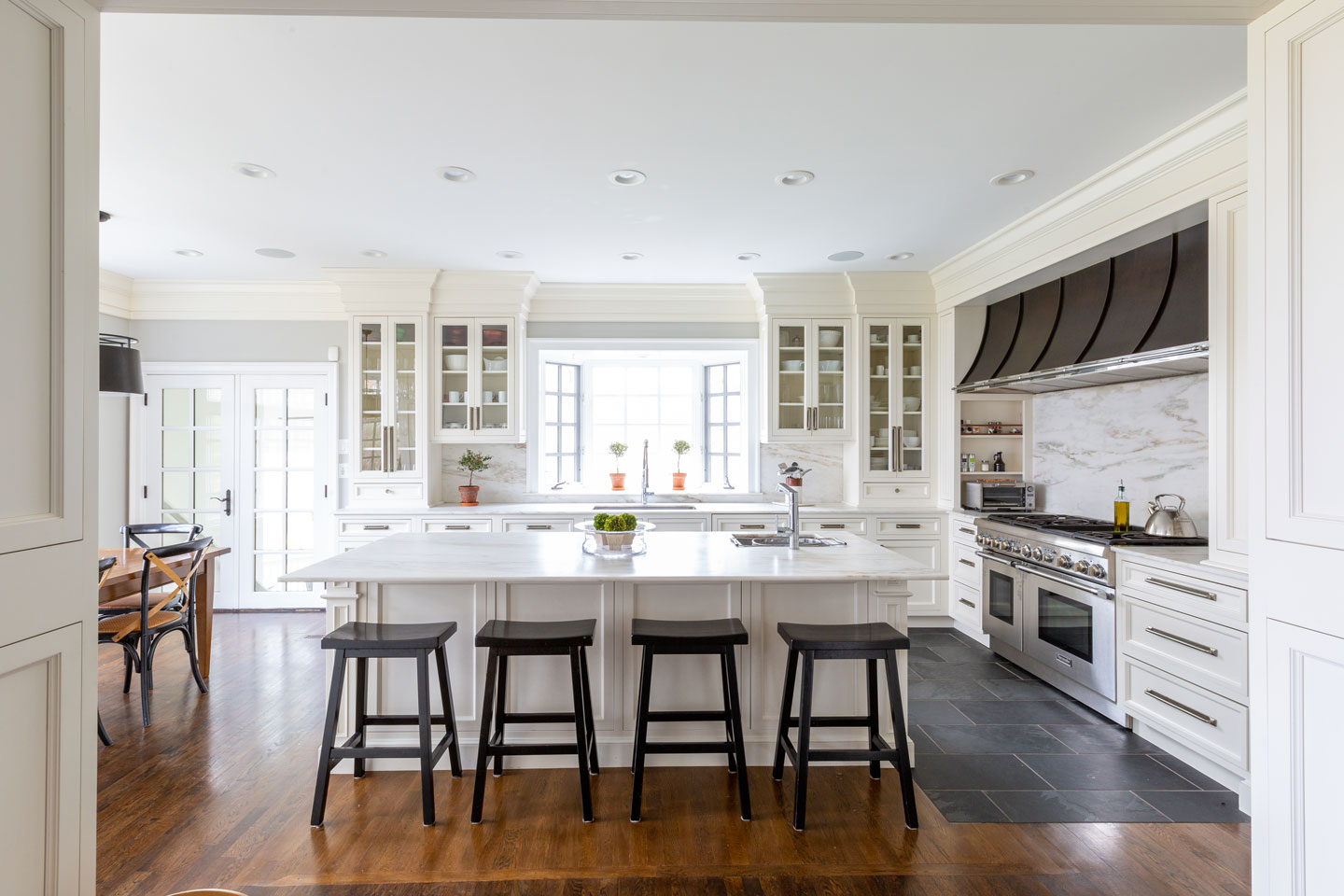
What "custom cabinetry" means has changed over the past 10 years. It used to imply what you might expect: built by hand in a shop to your specifications. Today, some custom cabinet makers use prefabricated doors and other parts. Ask to be sure what you're getting, because the word "custom" still translates as more expensive. You'll pay up to $1,200 per linear foot. Your second question should be about timing: Know that it can take 12 weeks or more for a carpenter to fabricate and install custom cabinets. Friendlier price tags ($200 per linear foot or less) and availability at big-box stores make stock cabinets a better option for budget-conscious and DIY buyers with smaller kitchens and tighter turnarounds. Be wary of lines with too-good-to-be-true prices, though; they likely won't hold up well over time. Most people opt for a mix of custom and stock, which allows for greater customization of materials, colors, and styles in somewhat standard sizes.
Framed vs Frameless Cabinets
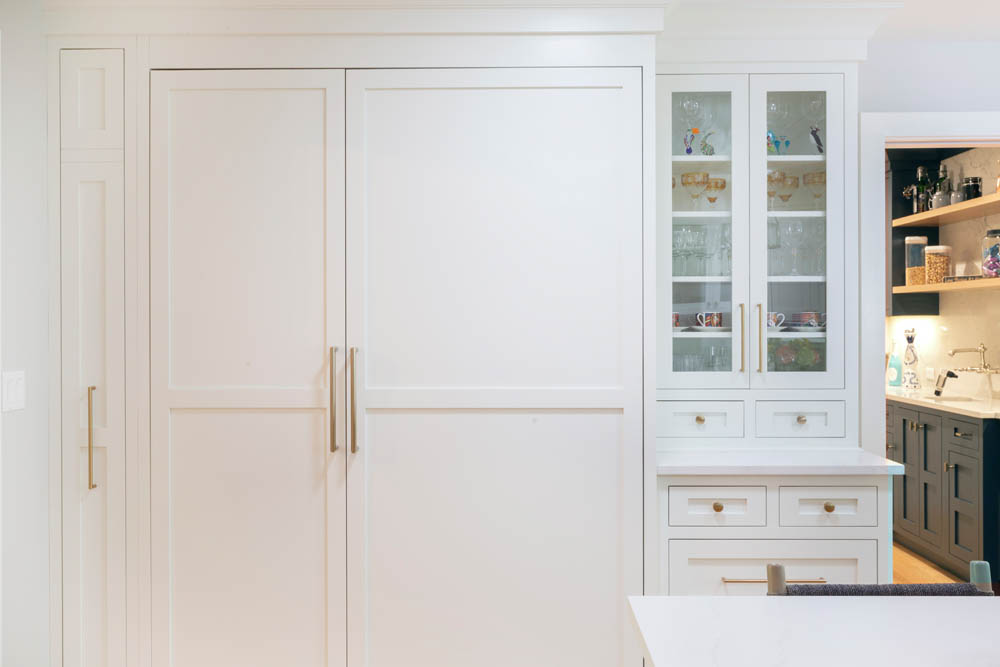
Frameless cabinets, with doors that cover the full frame, offer a clean, contemporary look that works well in modern kitchens. They also offer more storage space than framed cabinets, especially in drawers. That said, they are more difficult and expensive to install. More traditional kitchens tend to have one of the two types of framed cabinets: Inset cabinets, which have doors that sit flush with the frame, and overlay, a more affordable style with doors that sit on top of the frame. Inset cabinets are really popular right now. You’re more likely to find framed cabinets in a variety of styles and materials in a range of budgets at big-box stores and suppliers.

Open Shelving vs Glass or Closed Cabinets
Which of these is best for you depends on how you and your family use your kitchen. Assess your shopping, cooking, and cleaning habits, and consider how often you reach for your pots, pans, and dishes. Does your heirloom china beg to be displayed in glass-front wall cabinets? Do you have pots and plates you use every night, and would love to grab off easy-access open shelves? Or are you a weekend recipe warrior with all the gadgets to prove it? (There are closed cabinets for those.) Young families might opt for a mix of all three, so frequently used dishes sit front and center while sippy cups get hidden away. You may adhere to the creed that kitchens should be seen and not used—think closed doors. On the other hand, a designated entertainer may want to show off all their pots and pans on shelves and peg rails. Whatever the case may be, factor your real, daily, sometimes messy life into the equation.
Solid Wood vs Engineered Wood
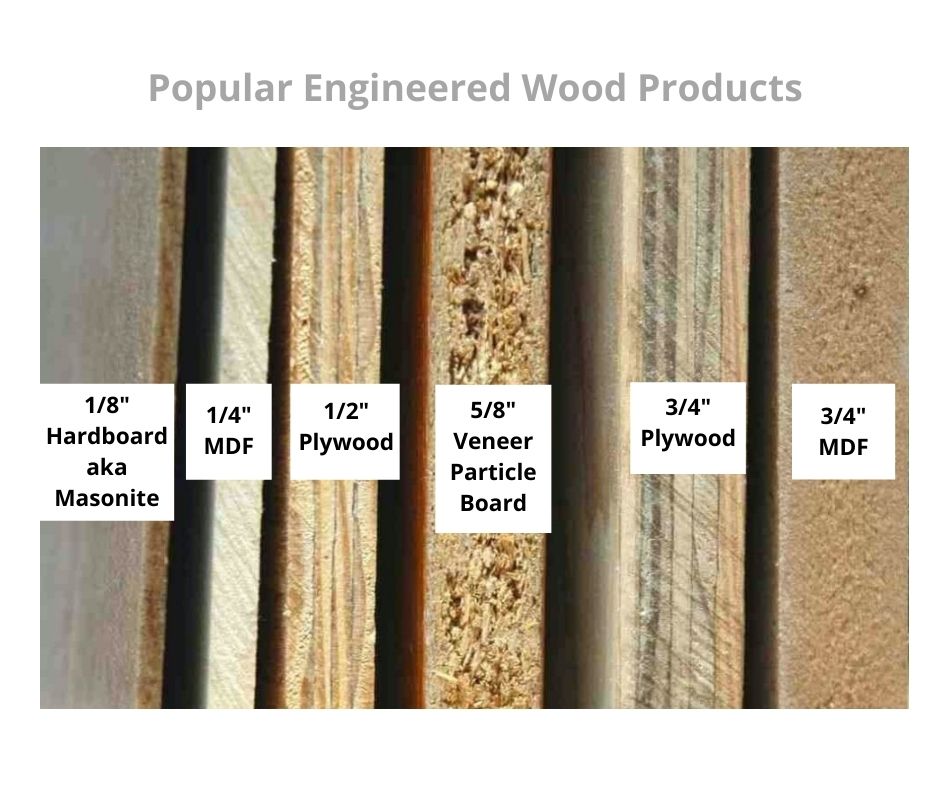
Solid is the only option if you want a stained finish. Nicks and dents in it are also easier to touch up than they would be in engineered wood, so it's a good long-term choice, especially for busy areas of your kitchen. The only downsides? It’s more expensive and heavier than engineered woods like MDF, and it expands and contracts with natural changes in temperature, which means it can warp and crack. Maple and cherry are the most popular wood bases, but oak and budget-friendly hickory are worthy alternatives.
MDF (aka medium density fiberboard) has become a bit of a dirty word in some furniture circles, but there’s an advantage to using it for cabinets. MDF is smoother, lighter, and more affordable than the solid stuff; it also has fewer natural grooves and is less prone to hairline cracks, making it a smooth base for paint.
Our suggestion: Consider using solid wood on door fronts with an MDF frame and plywood shelving. It's the ultimate marriage of durability and style. Or opt for stained wood in high-traffic areas, and more delicate painted MDF in low-touch areas to minimize the need for costly repairs and replacements over time.
All the Hardware Options
Knobs, pulls, and cup handles add a dose of personality that dramatically changes the look of your cabinets. In the moment, they also make it easier to grab what you need. And over time, the proper hardware ensures your drawers wear evenly.
Soft close hinges, which automatically pull a door or drawer closed in one whisper-quiet motion, are a feature you'll appreciate every time you let go and don't hear a loud slam.
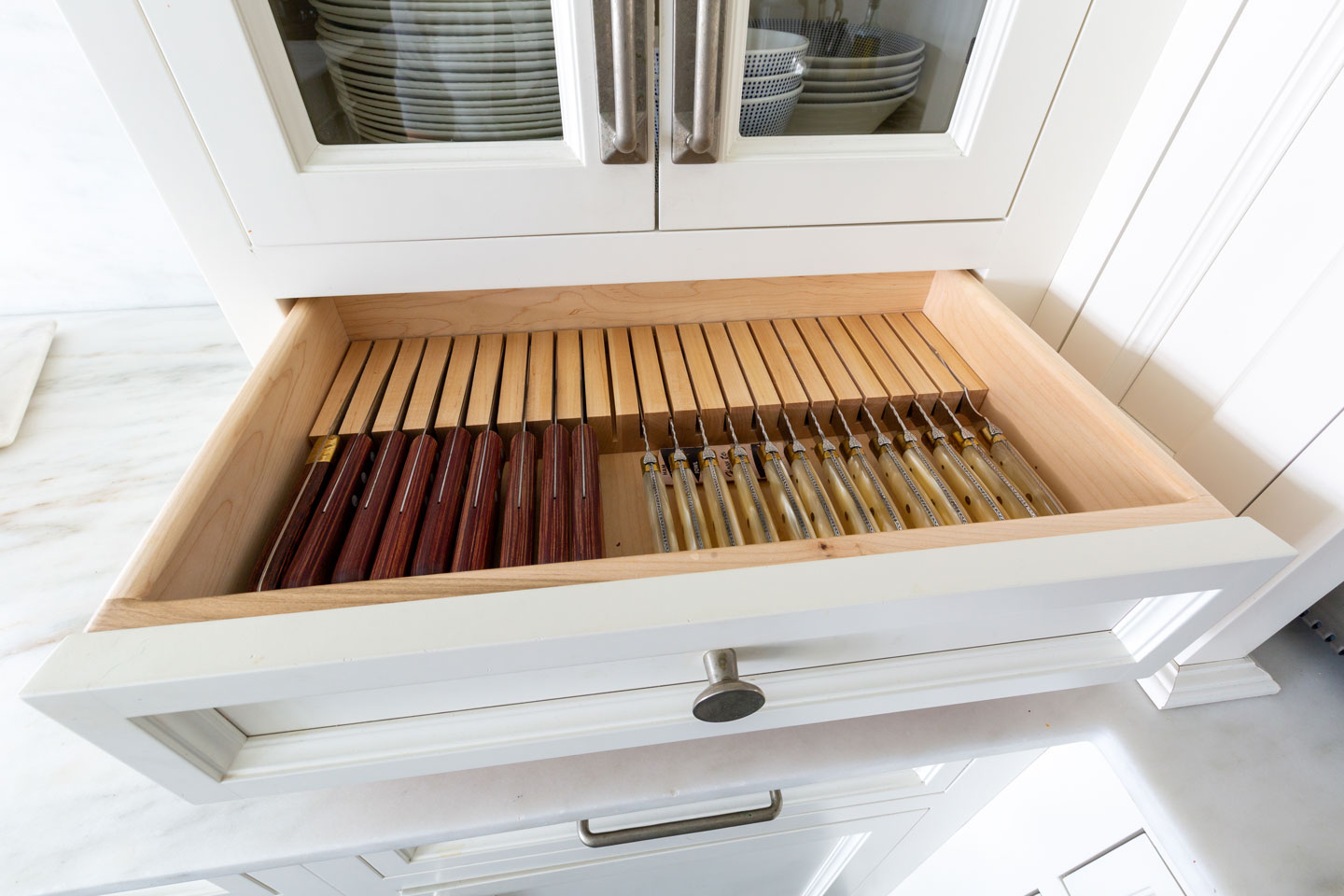
Inside the doors, cabinet interiors offer plenty of room for specialization depending on your needs. From pull-out cutting boards and appliance lifts that bring heavy stand mixers to counter level to built-in wine racks and organizers for cookie sheets and pots and trash bins (oh my!), there are storage solutions for every kind of cook.
Conclusion
So take note of how you move around your kitchen now (and all the things that bug you). Then reach out to a designer or cabinet maker whose style you admire. They can answer any remaining questions you have and offer advice for problems you might not have even thought about. And no matter what you choose, they’ll help make your dream kitchen a reality—one cabinet at a time.


